
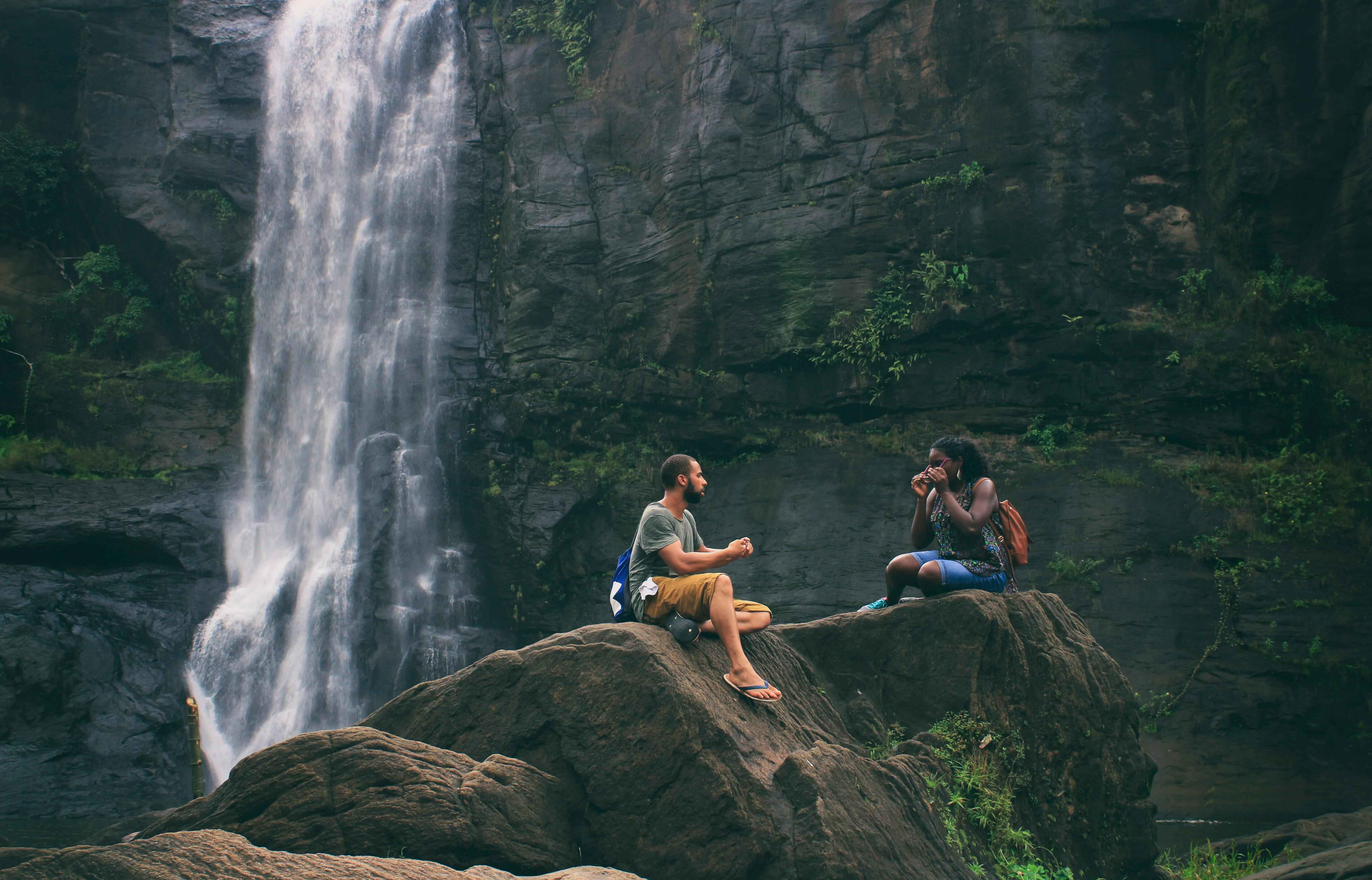
Why Travel in Monsoon? 5 Best Monsoon Destinations in India for a Memorable Rainy Season Trip
Monsoon travel in India offers a completely different way to experience the country. Mountains turn greener, waterfalls become more dramatic, forests come alive, and popular destinations can feel quieter than during peak holiday periods.
For travellers who enjoy scenic road trips, photography, nature, misty landscapes and peaceful getaways, the rainy season can be an excellent time to explore India.
However, monsoon travel also requires better planning. Heavy rainfall can affect road conditions, trekking routes, waterfalls and local transport. Before leaving, travellers should check the latest weather and local advisories rather than relying only on a fixed itinerary. The India Meteorological Department provides current monsoon information, rainfall activity and weather updates.
In this guide, we cover 5 of the best monsoon destinations in India, including suggested itineraries, how to reach them, approximate budgets, things to do and important rainy-season precautions.
Why Should You Travel in Monsoon?
The monsoon season changes the appearance and atmosphere of many Indian destinations.
1. Lush green landscapes
Rain brings fresh vegetation to forests, hills, plantations and valleys. Places that may look dry during summer can become dramatically greener during the rainy season.
2. Waterfalls are at their best
Several waterfalls become significantly more impressive after the arrival of seasonal rainfall. This makes destinations such as Munnar, Coorg and Lonavala particularly attractive for nature lovers.
3. Misty mountain views
Hill stations across Kerala, Karnataka, Maharashtra and Northeast India can develop a beautiful mist-covered atmosphere during rainy weather.
4. Fewer crowds in some destinations
Some travellers avoid the monsoon because of unpredictable weather. As a result, certain destinations can feel quieter outside major holiday periods.
5. Excellent road-trip opportunities
For travellers who enjoy flexible road journeys, monsoon can be an interesting season for exploring scenic routes. However, mountain and rural roads require extra caution during heavy rainfall.
1. Munnar, Kerala – Tea Gardens, Misty Hills and Waterfalls
Munnar is one of the most attractive monsoon destinations in South India. Located in Kerala's Western Ghats, the region is known for tea plantations, rolling hills, forests, waterfalls and cool weather.
During the rainy season, the surrounding landscape becomes particularly green, while mist frequently covers the hills.
Why Visit Munnar During Monsoon?
Munnar is ideal for travellers looking for:
- Tea plantations
- Mist-covered mountain scenery
- Waterfalls
- Nature photography
- Relaxed road trips
- Wildlife and forest experiences
- A peaceful hill-station holiday
Popular attractions around Munnar include Mattupetty Dam, Echo Point, Kundala Lake, Tea Museum and Attukal Waterfalls.
Suggested 4-Day Munnar Itinerary
Day 1 – Kochi to Munnar
Arrive in Kochi and begin the road journey towards Munnar. Depending on your arrival time, spend the evening exploring the town and nearby viewpoints.
Day 2 – Tea and Nature
Visit the Tea Museum and explore nearby tea plantations. Continue towards waterfalls and scenic viewpoints depending on weather and road conditions.
Day 3 – Mattupetty and Kundala
Explore Mattupetty Dam, Echo Point and Kundala Lake. Keep some flexibility in your schedule because monsoon weather can change quickly.
Day 4 – Munnar to Kochi
Have breakfast and start your return journey towards Kochi.
How to Reach Munnar
By Air: Kochi International Airport is the major airport used by travellers visiting Munnar.
By Train: Aluva and Ernakulam are commonly used railway connections before continuing by road.
By Road: Munnar is connected to Kochi and other Kerala destinations by road.
Estimated Budget
A typical 4-day trip can vary considerably depending on accommodation, transport and activities.
Budget travel: approximately ?8,000–?12,000 per person
Mid-range travel: approximately ?15,000–?20,000 per person
These are planning estimates rather than fixed package prices.
Monsoon Tip
Check local weather and road conditions before travelling to waterfalls or remote areas. Avoid entering restricted areas simply because a location appears accessible.
2. Coorg, Karnataka – Coffee Plantations and Misty Western Ghats
Known for its coffee plantations, forests, hills and waterfalls, Coorg (Kodagu) is another excellent destination for a monsoon road trip.
Rain transforms the landscape into deep shades of green and creates a cool, atmospheric setting around the coffee estates.
Why Visit Coorg During Monsoon?
Coorg is particularly suitable for:
- Couples
- Families
- Nature lovers
- Photography enthusiasts
- Weekend road trips
- Coffee and plantation experiences
Popular places include Abbey Falls, Raja's Seat, Dubare and nearby plantation areas.
Suggested 3-Day Coorg Itinerary
Day 1 – Mysuru to Coorg
Travel from Mysuru towards Coorg and check into your accommodation. Visit Raja's Seat in the evening if weather conditions permit.
Day 2 – Waterfalls and Plantation Experiences
Explore Abbey Falls and nearby attractions. Spend time experiencing the region's coffee-growing landscape.
Day 3 – Outdoor Exploration
Choose a suitable nature or trekking experience according to current weather and trail conditions before beginning your return journey.
How to Reach Coorg
By Air: Mangaluru International Airport is one of the closest major airports.
By Train: Mysuru is a commonly used railway connection.
By Road: Coorg can be reached by road from Mysuru, Bengaluru and Mangaluru.
Estimated Budget
Budget: approximately ?7,000–?10,000 per person
Mid-range: approximately ?12,000–?18,000 per person
Actual costs depend on the season, accommodation and transportation.
Monsoon Safety
Trekking trails and rocks around waterfalls can become extremely slippery. Do not cross barricades or enter restricted waterfall zones for photographs.
3. Shillong and Meghalaya – Clouds, Waterfalls and Living Root Bridges
Meghalaya is one of India's most fascinating destinations for monsoon travellers.
The region is famous for exceptionally high rainfall, dramatic waterfalls, green hills, caves, rivers and living root bridges.
Rather than describing Shillong itself as the world's wettest place, it is more accurate to say that Meghalaya contains some of the world's wettest regions, particularly around Sohra/Cherrapunji.
Why Visit Meghalaya During Monsoon?
A monsoon trip to Meghalaya can include:
- Living root bridges
- Waterfalls
- Cloud-covered hills
- Umiam Lake
- Sohra/Cherrapunji
- Mawlynnong
- Dawki
- Scenic mountain roads
Suggested 5-Day Meghalaya Itinerary
Day 1 – Guwahati to Shillong
Travel from Guwahati to Shillong. Stop at Umiam Lake if weather and road conditions permit.
Day 2 – Shillong to Sohra
Explore the Sohra/Cherrapunji region and its waterfalls and viewpoints.
Day 3 – Root Bridge Experience
Plan a visit to one of Meghalaya's famous living root bridges. Trek difficulty should be checked before starting.
Day 4 – Mawlynnong and Dawki
Explore Mawlynnong and continue towards the Dawki region, subject to weather and road conditions.
Day 5 – Return to Guwahati
Begin the return journey.
How to Reach Meghalaya
By Air: Guwahati is the primary major airport connection for most travellers.
By Train: Guwahati is also the principal railway connection.
By Road: Shillong is connected to Guwahati by road, with taxis and buses available.
Estimated Budget
Budget: approximately ?10,000–?15,000 per person
Mid-range: approximately ?18,000–?25,000 per person
Monsoon Safety
Heavy rain can affect roads, trekking routes and local transportation. Check weather conditions before travelling to remote areas and keep flexible travel plans.
4. Lonavala, Maharashtra – Waterfalls, Forts and Monsoon Road Trips
Located between Mumbai and Pune, Lonavala is one of India's best-known monsoon getaways.
The combination of hills, waterfalls, valleys, viewpoints and easy road connectivity makes it particularly popular for short weekend trips.
Why Visit Lonavala During Monsoon?
The region offers:
- Green Western Ghats scenery
- Waterfalls
- Hill viewpoints
- Forts and caves
- Short road trips
- Scenic photography opportunities
Popular attractions include Karla Caves, Tiger's Leap and Pawna Lake.
Suggested 2-Day Lonavala Itinerary
Day 1 – Lonavala Exploration
Travel from Mumbai or Pune to Lonavala. Explore suitable viewpoints and attractions depending on weather conditions.
Day 2 – Pawna and Surrounding Hills
Visit Pawna Lake and selected viewpoints before returning to Mumbai or Pune.
How to Reach Lonavala
By Train: Lonavala has strong rail connectivity with Mumbai and Pune.
By Road: It is easily accessible by road from both cities.
Estimated Budget
Budget: approximately ?3,000–?5,000 per person
Mid-range: approximately ?6,000–?10,000 per person
Monsoon Safety
Popular waterfall and dam areas can become dangerous during heavy rainfall. Follow local barricades, police instructions and site restrictions.
Never attempt to stand in fast-flowing water for photographs.
5. Valley of Flowers, Uttarakhand – A Himalayan Monsoon Trek
For travellers who want something more adventurous, Valley of Flowers National Park in Uttarakhand is one of India's most spectacular seasonal destinations.
The valley is renowned for its alpine meadows and diverse flora. UNESCO recognises it as part of the Nanda Devi and Valley of Flowers National Parks World Heritage property.
The landscape is especially associated with its seasonal flowering period, when alpine flowers cover sections of the high-altitude valley.
Why Visit Valley of Flowers?
The destination is ideal for travellers interested in:
- Himalayan trekking
- Alpine landscapes
- Wildflowers
- Mountain photography
- Nature and wildlife
- High-altitude travel
UNESCO notes that the area contains diverse alpine flora and important Himalayan wildlife, including species such as the Asiatic black bear, snow leopard and blue sheep.
Suggested 6-Day Itinerary
Day 1 – Delhi to Haridwar/Rishikesh
Begin the Himalayan journey and stay overnight.
Day 2 – Travel towards Govindghat
Continue towards the Valley of Flowers access region.
Day 3 – Govindghat to Ghangaria
Begin the trek towards Ghangaria according to the current route and local regulations.
Day 4 – Valley of Flowers
Spend the day exploring the valley and return according to the permitted schedule.
Day 5 – Return towards Govindghat
Complete the return trek and continue your journey.
Day 6 – Return journey
Travel back towards Haridwar/Rishikesh.
Estimated Budget
Budget: approximately ?12,000–?18,000 per person
Mid-range: approximately ?20,000–?30,000 per person
Actual costs depend on transport, accommodation, permits, guide requirements and travel dates.
Important Trekking Advice
Valley of Flowers is not a conventional hill-station sightseeing destination. It involves high-altitude trekking and requires appropriate preparation.
Always confirm:
- Park opening dates
- Permit requirements
- Trekking regulations
- Weather conditions
- Road conditions
- Local accommodation availability
UNESCO also describes the area as a protected landscape with regulated access and ongoing monitoring.
Monsoon Travel Safety Tips for India
Rain can make a destination beautiful, but it can also make travel unpredictable.
Before beginning a monsoon road trip, follow these basic precautions.
1. Check the Weather Forecast
Check the latest forecast before departure, especially when travelling through mountains or areas prone to heavy rainfall.
The India Meteorological Department publishes rainfall activity, weather information and monsoon updates.
2. Check Road Conditions
Do not assume that a route will remain open throughout the day.
Heavy rain can cause:
- Landslides
- Waterlogging
- Road closures
- Traffic delays
- Reduced visibility
3. Keep Your Itinerary Flexible
During monsoon, adding a few hours of flexibility to your schedule can prevent unnecessary stress.
Avoid planning multiple tightly connected activities on the same day.
4. Be Careful Near Waterfalls
Never cross safety barriers or enter fast-flowing water.
Water levels can rise rapidly after rainfall.
5. Wear Suitable Footwear
Water-resistant shoes with good grip are useful for wet roads, trails and uneven surfaces.
6. Carry a Rain Protection Kit
A practical monsoon travel kit should include:
- Lightweight rain jacket
- Umbrella
- Waterproof phone pouch
- Extra clothes
- Power bank
- Basic first-aid supplies
- Waterproof bags
- Grip-friendly footwear
7. Keep Emergency Contacts Handy
Save local emergency numbers, accommodation contacts and transport information before travelling into remote areas.
Is Monsoon a Good Time for a Road Trip in India?
Yes, but the route should be selected according to weather conditions.
A monsoon road trip can be excellent when the route is open and weather conditions are stable. It is especially attractive in destinations such as Munnar, Coorg, Lonavala and parts of Meghalaya.
For Himalayan routes, however, travellers should be considerably more cautious because rainfall can affect mountain roads and trekking routes.
The best approach is to combine a scenic itinerary with real-time weather and road-condition checks.
Self-Drive Monsoon Road Trips: What Should You Check?
If you're planning to explore India by self-drive car, monsoon preparation becomes even more important.
Before starting your trip, check:
Vehicle condition
Inspect:
- Tyres
- Brakes
- Wipers
- Headlights
- Battery
- Spare tyre
Travel documents
Carry your:
- Driving licence
- Vehicle documents
- Insurance details
- Emergency contacts
Route planning
Save offline maps where possible and identify fuel stations and accommodation along longer routes.
Avoid risky shortcuts
A scenic shortcut may not be worth the risk during heavy rain. Stick to recognised roads and follow local restrictions.
For travellers looking for self-drive car rental for monsoon road trips, CarAndCab can be considered for planning your journey based on available vehicles and rental requirements.
Best Monsoon Destinations in India at a Glance
| Destination | Ideal For | Suggested Trip |
|---|---|---|
| Munnar | Tea gardens, waterfalls, couples | 3–4 days |
| Coorg | Coffee plantations, nature | 2–3 days |
| Meghalaya | Waterfalls, root bridges, road trips | 4–6 days |
| Lonavala | Weekend getaway, road trip | 2 days |
| Valley of Flowers | Trekking, alpine scenery | 5–7 days |
Frequently Asked Questions About Monsoon Travel in India
Which is the best monsoon destination in India?
There is no single best destination for everyone. Munnar is excellent for tea plantations and greenery, Coorg for a relaxed nature trip, Meghalaya for waterfalls and heavy-rain landscapes, Lonavala for a short road trip and Valley of Flowers for Himalayan trekking.
Which is the best monsoon destination for a road trip?
Lonavala, Coorg and Munnar are good options for travellers interested in scenic road journeys. Always check current road and weather conditions before departure.
Is it safe to travel to hill stations during monsoon?
It can be safe when routes are open and weather conditions are suitable, but mountain roads require extra caution during heavy rainfall.
What should I pack for a monsoon trip?
Carry rain protection, waterproof bags, suitable footwear, extra clothes, power banks and basic medicines or first-aid supplies.
Is Valley of Flowers open throughout the year?
No. It is a seasonal high-altitude destination with regulated access. Travellers should verify the current opening period, permits and local conditions before planning the trek.
Is monsoon good for a self-drive trip?
Yes, provided you select a suitable route, check the weather, inspect the vehicle and avoid driving through flooded or restricted roads.
Final Thoughts: Should You Travel in Monsoon?
Monsoon can be one of the most rewarding seasons to explore India, particularly if you enjoy greenery, waterfalls, misty mountains and scenic road journeys.
Munnar offers tea-covered hills, Coorg combines coffee plantations with Western Ghats scenery, Meghalaya delivers dramatic rainfall landscapes, Lonavala is ideal for a quick weekend escape, while Valley of Flowers provides a completely different high-altitude experience.
The key is not simply choosing a beautiful destination. Good monsoon travel means choosing the right route, checking current weather conditions and respecting local safety restrictions.
So before packing your bags, check the forecast, prepare your vehicle or transport, keep your itinerary flexible and travel responsibly.
Which monsoon destination would you choose first — Munnar, Coorg, Meghalaya, Lonavala or Valley of Flowers?