
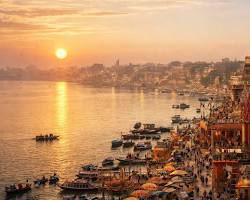
Varanasi Historical Sites: A Guide to the Ancient City
Varanasi is one of India's most historic and culturally significant cities. Situated on the banks of the Ganges in Uttar Pradesh, the city is known for its ancient ghats, temples, narrow lanes, traditional crafts, music, and deep spiritual heritage.
Often referred to as Kashi or Banaras, Varanasi has been an important centre of religious and cultural life for centuries. Its historic neighbourhoods and riverside ghats offer travelers a chance to experience a living heritage rather than simply visit monuments.
If you are planning a trip to Varanasi, exploring its historical sites is one of the best ways to understand the character of the city. From the famous Dashashwamedh Ghat to the archaeological remains of nearby Sarnath, there is much more to discover than the city's famous evening Ganga Aarti.
Why Varanasi Is Historically Important
Varanasi's history is closely connected with the Ganges and the religious traditions of northern India. The city has long attracted pilgrims, scholars, artists, musicians, and travelers.
Its importance also extends beyond Hindu traditions. Nearby Sarnath is associated with Buddhism, while the city's architecture, markets, crafts, and neighbourhoods reflect centuries of interaction between different communities and cultural influences.
What makes Varanasi particularly fascinating is that its history is not confined to museums. Ancient traditions continue alongside everyday modern life.
10 Best Historical Sites in Varanasi
1. Dashashwamedh Ghat
Dashashwamedh Ghat is one of the most famous and active ghats on the Ganges in Varanasi.
The riverside steps are a major gathering point for pilgrims and visitors throughout the day. The ghat becomes especially lively in the evening during the Ganga Aarti, when lamps, music, chanting, and ceremonial rituals create a memorable atmosphere.
For travelers interested in the history and culture of Varanasi, visiting the ghat at both sunrise and evening can provide two very different experiences.
2. Manikarnika Ghat
Manikarnika Ghat is one of the most significant cremation ghats in Varanasi and has an important place in Hindu religious traditions.
The ghat represents one of the city's most distinctive aspects: the close connection between daily life, spirituality, and death.
Visitors should approach the area respectfully. Photography and casual sightseeing around cremation ceremonies can be inappropriate, so it is important to follow local customs and instructions.
3. Assi Ghat
Located toward the southern end of Varanasi's main riverfront, Assi Ghat has become popular with both pilgrims and travelers.
It is a good place to experience the Ganges in a relatively relaxed setting, particularly around sunrise. Visitors can often see people practicing yoga, taking part in religious rituals, enjoying boat rides, or simply sitting beside the river.
The surrounding area also has cafés, guesthouses, shops, and places to explore on foot.
4. Kashi Vishwanath Temple
The Kashi Vishwanath Temple is one of the most important Hindu temples in Varanasi and is dedicated to Lord Shiva.
The temple complex has undergone significant development over time, while the surrounding old city retains its distinctive network of narrow lanes and traditional markets.
Because this is an active place of worship, visitors should check the latest entry rules, security requirements, and timings before visiting.
5. Sarnath
Located a short distance from central Varanasi, Sarnath is one of the most important historical and Buddhist sites near the city.
According to Buddhist tradition, Gautama Buddha delivered his first sermon at Sarnath after attaining enlightenment. The area today contains important archaeological remains, stupas, museums, monasteries, and other Buddhist sites.
The Dhamek Stupa is one of the most recognizable monuments in the archaeological complex.
Sarnath is an excellent addition to a Varanasi itinerary, especially for travelers interested in Indian history, Buddhism, archaeology, and architecture.
6. Ramnagar Fort
Located across the Ganges from the main Varanasi riverfront, Ramnagar Fort provides a different perspective on the region's history.
The fort is associated with the former rulers of Banaras and contains historic architecture and collections connected with the area's royal heritage.
Its location also makes it an interesting stop for travelers who want to explore beyond the central ghats.
7. Tulsi Ghat
Tulsi Ghat is associated with the poet and devotional writer Tulsidas, who is traditionally linked with Varanasi and the composition of the Ramcharitmanas.
The ghat offers visitors another opportunity to experience the cultural and literary traditions of the city away from some of the busiest tourist areas.
Its connection with literature, devotional traditions, and the riverfront makes it an interesting stop for travelers exploring Varanasi's cultural history.
8. Scindhia Ghat
Scindhia Ghat is known for its distinctive architecture and partially submerged Shiva temple near the river.
The ghat is situated close to the older northern section of the city and provides access to the maze of historic lanes surrounding the riverfront.
Walking through this area can be just as interesting as visiting individual monuments because the neighbourhood itself reveals layers of Varanasi's architectural and cultural history.
9. Banaras Hindu University
Banaras Hindu University, commonly known as BHU, is an important educational and cultural institution in Varanasi.
Although it is not an ancient monument, the university has played a major role in the city's modern intellectual and educational history.
The large campus and its cultural institutions provide a contrast to the dense lanes and traditional atmosphere of the old city.
10. Bharat Mata Temple
The Bharat Mata Temple is unusual because its main attraction is not a traditional deity sculpture.
Instead, the temple is known for a large relief map of India carved in marble. The temple represents a different chapter in Varanasi's history and the development of modern Indian nationalism.
It can be included in an itinerary for visitors interested in India's modern cultural history as well as its ancient heritage.
Experience the Varanasi Ghats
The ghats are among the most recognizable features of Varanasi.
Stretching along the Ganges, the riverfront combines religious ceremonies, boat rides, bathing rituals, cremation traditions, local commerce, and everyday life.
Rather than visiting only one ghat, consider walking along different sections of the riverfront. Each area has its own atmosphere and history.
A sunrise boat ride can also provide a memorable view of the ghats as the city begins its day.
Experience the Ganga Aarti
The evening Ganga Aarti is one of the most popular experiences in Varanasi.
At Dashashwamedh Ghat and other locations along the riverfront, ceremonial lamps are offered during an organized evening ritual accompanied by prayers and music.
If you plan to attend, arrive early because popular viewing areas can become crowded. Follow local instructions and remain respectful during the ceremony.
Varanasi's Architecture and Old City
One of the best ways to appreciate Varanasi's heritage is to explore its old neighbourhoods on foot.
The narrow lanes around the major temples and ghats contain old houses, shrines, markets, workshops, cafés, and traditional businesses.
The city's architecture reflects different periods of construction and a mixture of cultural influences. Some buildings are centuries old, while others have been renovated or rebuilt over time.
This combination of old and new is part of what makes Varanasi different from a conventional heritage destination.
Varanasi's Traditional Crafts
Varanasi is also famous for its traditional craftsmanship, particularly its handwoven silk textiles.
Banarasi sarees are among the city's best-known products and are traditionally associated with skilled weaving techniques and detailed designs.
Travelers interested in local culture can visit reputable shops or weaving communities to learn more about how these textiles are produced.
Buying directly from established local businesses can also help support traditional artisans.
Best Time to Visit Varanasi
The cooler months are generally more comfortable for exploring Varanasi on foot and visiting outdoor attractions.
October to March
This period is generally suitable for sightseeing, riverfront walks, temple visits, and excursions to Sarnath.
December and January can be particularly cool in the mornings and evenings, so carry a light jacket or warm layer.
April to June
Summer can become very hot, especially during the afternoon. If traveling during this period, plan outdoor sightseeing for early morning or evening and stay hydrated.
July to September
The monsoon season can bring rain and changes in river conditions. The city can still be visited, but travelers should keep weather conditions in mind when planning boat rides and outdoor activities.
How Many Days Are Enough for Varanasi?
A 2 to 3-day Varanasi trip can cover the city's major attractions without making the itinerary excessively rushed.
Day 1
Explore the old city
Visit Kashi Vishwanath Temple according to current entry rules
Explore nearby historic lanes
Visit Dashashwamedh Ghat
Attend the evening Ganga Aarti
Day 2
Sunrise boat ride
Explore Assi Ghat and other riverfront areas
Visit important historic ghats
Explore local markets and traditional crafts
Day 3
Visit Sarnath
Explore Ramnagar or another nearby attraction
Enjoy a relaxed evening along the Ganges
Getting Around Varanasi
The historic centre of Varanasi is best explored through a combination of walking and short local journeys.
For attractions outside the old city, such as Sarnath and Ramnagar, having a reliable car can make the journey more convenient, particularly for families or small groups.
If you are starting your journey from Noida or another NCR city, a self-drive car rental can give you greater flexibility for a road trip to Varanasi.
For travelers planning a longer journey from Delhi NCR, choosing a reliable car rental in Noida can also make the drive more comfortable and flexible, especially when traveling with family or friends.
Tips for Visiting Varanasi Historical Sites
Start sightseeing early to avoid the busiest part of the day.
Wear comfortable footwear because many areas involve walking.
Carry water, particularly during warmer months.
Dress respectfully when visiting religious sites.
Check temple entry and security rules before your visit.
Be respectful around cremation areas and avoid intrusive photography.
Keep valuables secure in crowded markets and lanes.
Confirm current timings before visiting museums and monuments.
Allow extra time for traffic when traveling between different parts of the city.
If taking a boat ride, use an authorized and reputable operator.
If you are planning to drive to Varanasi, preparing your vehicle and luggage in advance can make the journey much easier. A practical guide to road trip essentials for a rental car can also help you organize everything you need before setting out.
Frequently Asked Questions
What are the most important historical sites in Varanasi?
Some of the most significant historical and cultural sites include Dashashwamedh Ghat, Manikarnika Ghat, Kashi Vishwanath Temple, Assi Ghat, Sarnath, Ramnagar Fort, Tulsi Ghat, and Scindhia Ghat.
Is Sarnath part of Varanasi?
Sarnath is a separate locality near Varanasi and is easily accessible from the city. It is one of the most important Buddhist heritage sites in the region.
How many days should I spend in Varanasi?
Two to three days is a good starting point for visiting the major ghats, temples, Sarnath, and other important attractions. Travelers interested in photography, local culture, food, and slower exploration may prefer a longer stay.
What is Varanasi famous for?
Varanasi is famous for its ancient cultural heritage, Ganges riverfront, ghats, temples, religious traditions, Ganga Aarti, Banarasi textiles, music, and nearby Buddhist heritage at Sarnath.
Is Varanasi suitable for a road trip?
Yes. Varanasi can be included in a North India road trip, although travelers should allow additional time for traffic and road conditions. A private or self-drive car can be useful for exploring destinations outside the central old city.
Final Thoughts
Varanasi is more than a destination filled with ancient monuments. Its real character comes from the way history continues to exist alongside everyday life.
The ghats, temples, old lanes, traditional crafts, religious ceremonies, and nearby heritage sites create an experience that changes from one part of the city to another.
Whether you visit for spirituality, history, architecture, photography, food, or simply the experience of walking through one of India's most distinctive cities, exploring Varanasi's historical sites offers a deeper understanding of the city's remarkable heritage.
If you are planning your journey by road, a self-drive car for your trip can give you the freedom to manage your route and stops at your own pace, particularly when traveling with family or friends.
Frequently Asked Questions
Helpful answers to common questions when planning a road trip, self-drive journey or travel experience.
How do I start planning a memorable travel journey?
Start by choosing the destination and travel experience you want, then plan realistic travel time, transportation, accommodation, budget and activities around it.
How many days should I plan for a road trip?
The ideal duration depends on the distance, destinations and pace of your trip. Allow enough time for driving, rest stops and unexpected delays instead of planning every hour of the journey.
Is self-drive travel a good option for a road trip?
Self-drive travel can provide greater flexibility over routes, stops and travel timing. Choose a vehicle that suits your group, luggage, route and expected driving conditions.
How can I make my travel itinerary less stressful?
Keep your itinerary flexible, avoid packing too many destinations into one day and leave time for meals, rest, traffic and unexpected changes along the route.
What should I consider before a road trip?
Check your route, weather, vehicle condition, fuel or charging availability, accommodation, documents and emergency contacts before starting your journey.
How can I make a road trip safer?
Follow speed limits, take regular breaks, avoid driving when tired, check road and weather conditions and keep essential emergency information accessible throughout the journey.
