
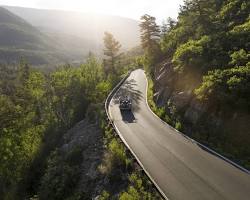
Hidden Gems of India: 15 Offbeat Destinations for Your Next Adventure
India is often associated with famous destinations such as Goa, Jaipur, Manali, Shimla, Kerala and Agra. But beyond these well-known places lies another side of the country—one filled with quiet mountain villages, ancient ruins, forested valleys, remote beaches, traditional communities and landscapes that still feel far removed from mass tourism.
These hidden gems in India are ideal for travelers who want more than a conventional sightseeing holiday. They offer opportunities to slow down, meet local communities, explore less-crowded landscapes and experience destinations at a more personal pace.
For road-trip enthusiasts, many of these places can be especially rewarding because the journey itself becomes part of the experience. However, remote travel also requires more preparation than a standard city break.
In this guide, we explore 15 offbeat destinations across India and explain what makes them worth visiting, what you can experience there and what to consider before planning your trip.
Why Explore Hidden Gems in India?
Popular tourist destinations have their advantages, but traveling to lesser-known places offers a different kind of experience.
1. Escape the crowds
One of the biggest attractions of offbeat destinations is the opportunity to enjoy a quieter environment. Instead of spending your holiday moving through crowded attractions, you may find yourself walking through peaceful villages, sitting beside a mountain stream or watching a sunset with very few people around.
2. Experience local culture
Smaller destinations often provide greater opportunities to interact with local communities. Traditional food, handicrafts, festivals, architecture and everyday life can become an important part of the journey.
The experience is particularly meaningful when travelers take time to understand local customs rather than treating communities simply as tourist attractions.
3. Discover landscapes beyond the usual tourist circuit
India's geography changes dramatically from one region to another. Remote Himalayan valleys, northeastern hills, desert settlements, forests, waterfalls and coastal villages all offer very different experiences.
4. Make the journey part of the adventure
Some offbeat destinations are most enjoyable when reached by road. Scenic highways, winding mountain roads, countryside landscapes and unexpected roadside stops can make the journey as memorable as the destination.
For travelers starting from Delhi NCR, choosing a suitable self-drive car rental can make it easier to plan the journey around your own schedule rather than depending entirely on fixed transport timings.
15 Hidden Gems in India Worth Exploring
India has countless lesser-known destinations, so this list focuses on places that offer a combination of scenery, culture, history, nature or distinctive travel experiences.
1. Ziro Valley, Arunachal Pradesh
Ziro is one of the most appealing offbeat destinations in Northeast India for travelers looking for landscapes and culture rather than conventional sightseeing.
The valley is known for rolling hills, terraced paddy fields, pine-covered areas and the distinctive culture of the Apatani community. India's Ministry of Tourism has also highlighted Ziro for its landscapes, traditional culture and Talley Valley Wildlife Sanctuary.
What to experience in Ziro
Explore the surrounding villages and agricultural landscapes
Learn about Apatani traditions and local craftsmanship
Walk through pine forests and valley trails
Explore the region around Talley Valley
Experience local food and village life
Visit during cultural events when your travel dates allow
Ziro is particularly suitable for travelers who prefer slow travel. Instead of trying to cover numerous attractions in a day, allow time to explore the valley at a relaxed pace.
Travel consideration
Northeast India requires more careful route planning than a conventional city trip. Check road conditions, local entry requirements and weather conditions before starting your journey.
2. Majuli, Assam
Located in the Brahmaputra River system, Majuli is famous for its distinctive cultural traditions, river-island landscapes and satras.
The destination is particularly interesting for travelers who want to combine nature with cultural exploration. The pace of life is slower than in India's major cities, making Majuli a strong choice for an immersive trip.
Things to experience
Visit traditional satras
Explore village surroundings
Learn about local arts and crafts
Sample Assamese cuisine
Cycle through rural areas
Observe the changing landscape around the river
Majuli is not about ticking attractions off a list. Its appeal lies in spending time in the landscape and understanding the local way of life.
3. Tawang, Arunachal Pradesh
Tawang combines dramatic Himalayan scenery, Buddhist heritage and remote mountain landscapes.
The journey to Tawang can itself be a major part of the adventure, with mountain roads and changing terrain creating an experience very different from ordinary sightseeing trips.
Highlights of a Tawang trip
Visit Tawang Monastery
Explore mountain viewpoints
Experience the area's Buddhist heritage
Discover high-altitude landscapes
Explore nearby valleys and lakes where conditions permit
Spend time experiencing local culture
Because of the altitude and mountain conditions, Tawang should be approached as a carefully planned mountain journey rather than a quick weekend destination.
4. Spiti Valley, Himachal Pradesh
Spiti Valley is one of India's most distinctive high-altitude destinations. Its barren mountains, traditional villages, monasteries and dramatic roads create a landscape that feels completely different from the greener Himalayan hill stations.
A Spiti trip is particularly attractive to travelers who enjoy long drives, photography, hiking and remote landscapes.
What makes Spiti special?
The landscape changes constantly as you travel through the valley. Small settlements appear between vast mountain slopes, while monasteries and traditional homes provide glimpses into the region's cultural heritage.
Before visiting Spiti
Mountain travel requires preparation. Carry sufficient essentials, plan fuel stops carefully, check weather and road conditions, and avoid assuming that every route or facility will operate normally throughout the year.
If you are planning a long road journey, it is also worth preparing a proper road-trip packing checklist for a rental car before departure.
5. Khajuraho, Madhya Pradesh
Khajuraho is much more than a famous temple destination. Its monuments, museums, surrounding nature and nearby attractions make it an excellent option for travelers interested in history and architecture.
The Khajuraho Group of Monuments is a UNESCO World Heritage Site, and the official Incredible India travel guide highlights its temple groups, museums and nearby attractions including Panna National Park and Raneh Falls.
What to explore
Western Group of Temples
Eastern Group of Temples
Southern Group of Temples
Kandariya Mahadeva Temple
Lakshmana Temple
Archaeological Museum
Tribal and Folk Art Museum
Raneh Falls
Panna National Park
Khajuraho is particularly rewarding when you stay longer than a quick temple visit. Combining architecture, history and nearby natural attractions can turn it into a much richer trip.
6. Hampi, Karnataka
Hampi is one of India's most remarkable destinations for travelers interested in history, architecture and unusual landscapes.
The ancient ruins of the Vijayanagara Empire are spread across a landscape of enormous granite boulders, temples and historic structures. Karnataka Tourism describes Hampi as a UNESCO World Heritage Site known for its temple architecture, ruins and dramatic Tungabhadra River landscape.
Places and experiences to include
Virupaksha Temple
Vijaya Vittala Temple
Stone Chariot
Lotus Mahal
Ancient markets and ruins
Tungabhadra River surroundings
Sunrise and sunset viewpoints
Hampi is best explored without rushing. Give yourself enough time to walk between historic areas and appreciate the landscape around the monuments.
7. Orchha, Madhya Pradesh
Orchha is a fascinating choice for travelers who enjoy historic towns but want an experience away from India's busiest heritage destinations.
Located on the Betwa River, the town is known for its palaces, temples and medieval architecture.
Why visit Orchha?
The town's compact historic setting makes it possible to combine architecture and peaceful surroundings in a relatively relaxed itinerary.
Explore:
Orchha Fort
Jahangir Mahal
Raj Mahal
Ram Raja Temple
Chaturbhuj Temple
Betwa River surroundings
Historic cenotaphs
Orchha works especially well as part of a central India road trip because it can be combined with other heritage destinations.
8. Mandu, Madhya Pradesh
Mandu is another excellent destination for travelers interested in architecture and history.
Its ruins are spread across a scenic plateau, creating an unusual combination of historic monuments and natural surroundings.
Things to see in Mandu
Jahaz Mahal
Hindola Mahal
Hoshang Shah's Tomb
Jami Masjid
Rupmati Pavilion
Historic gateways and ruins
The destination is particularly atmospheric during the cooler months, when exploring the monuments on foot is more comfortable.
9. Chaukori, Uttarakhand
For travelers searching for peaceful Himalayan scenery without the intensity of some of Uttarakhand's busier hill stations, Chaukori offers a quieter alternative.
The town is known for panoramic mountain views, forests and a relaxed atmosphere.
What to do
Enjoy Himalayan views
Take short nature walks
Explore nearby villages
Visit local temples
Photograph sunrise and sunset
Use Chaukori as a base for exploring surrounding areas
This is the kind of destination where the absence of a packed itinerary becomes part of the attraction.
10. Kanatal, Uttarakhand
Kanatal is a small Himalayan destination surrounded by forests and mountain scenery.
It can be a good option for travelers looking for a short escape from Delhi NCR who want something quieter than heavily visited hill stations.
Why choose Kanatal?
Forest walks
Mountain views
Peaceful surroundings
Camping and nature stays
Nearby village experiences
Short road-trip potential from Delhi NCR
If you are traveling from Noida or nearby NCR areas, an independently planned road trip can make it easier to stop at viewpoints and local places along the route instead of following a rigid schedule.
11. Gurez Valley, Jammu & Kashmir
Gurez Valley is known for its mountain landscapes, traditional villages and relatively remote setting.
The valley offers a different side of Kashmir, away from the familiar urban tourist circuit.
Experiences in Gurez
Explore traditional villages
Photograph mountain landscapes
Walk through quieter valley areas
Experience local culture
Enjoy the changing scenery along the approach roads
Mountain destinations such as Gurez require especially careful seasonal planning. Accessibility can vary, so always verify current road and weather conditions before traveling.
12. Dzukou Valley, Nagaland
Dzukou Valley is an attractive destination for travelers interested in trekking and northeastern landscapes.
The valley is known for rolling terrain, seasonal vegetation and a sense of remoteness that appeals to hikers.
What makes Dzukou special?
The experience is less about sightseeing and more about walking through a natural landscape. The trek requires reasonable fitness and proper preparation, especially regarding footwear, weather protection, food and water.
Travelers should also respect local rules and avoid damaging vegetation or leaving waste behind.
13. Shoja, Himachal Pradesh
Shoja is a peaceful mountain destination surrounded by forests and Himalayan scenery.
It can appeal to travelers who want to spend a few days reading, walking, photographing landscapes or simply enjoying a slower pace.
Things to do in Shoja
Forest walks
Nature photography
Village exploration
Short hikes
Enjoy mountain views
Relax in a quiet homestay
Shoja is a reminder that an offbeat trip does not always need an ambitious itinerary. Sometimes the best experience is simply having time away from traffic, crowds and constant schedules.
14. Mararikulam, Kerala
Kerala is famous for destinations such as Munnar, Alleppey and Kochi, but travelers looking for a quieter coastal experience can consider Mararikulam.
The area is known for its beach setting, traditional surroundings and slower pace.
Why visit Mararikulam?
Relax by the beach
Explore local villages
Experience Kerala's coastal culture
Enjoy regional cuisine
Combine the beach with nearby backwater destinations
It is particularly suitable for travelers who want a few peaceful days rather than a packed sightseeing schedule.
15. Lunglei, Mizoram
Lunglei offers a very different experience from India's conventional tourist destinations.
The town and surrounding region provide opportunities to explore Mizoram's hills, forests and local culture while experiencing a less crowded part of Northeast India.
India's official tourism portal itself includes Lunglei among its “Off the beaten path” travel experiences, highlighting its natural escapes and lesser-known character.
What to experience
Explore hill landscapes
Visit nearby natural attractions
Experience Mizo culture
Discover local food
Enjoy viewpoints and quiet surroundings
Spend time exploring beyond the main town
For travelers who want to go beyond the country's conventional tourist circuit, destinations such as Lunglei can offer a genuinely different perspective.
How to Choose the Right Hidden Destination
Not every offbeat destination is suitable for every traveler. Before choosing a place, think about what type of experience you actually want.
For mountains and adventure
Consider:
Ziro
Tawang
Spiti Valley
Gurez Valley
Dzukou Valley
Shoja
Chaukori
For history and architecture
Consider:
Khajuraho
Hampi
Orchha
Mandu
For culture and slow travel
Consider:
Majuli
Ziro
Lunglei
Orchha
For peaceful nature escapes
Consider:
Kanatal
Chaukori
Shoja
Mararikulam
Choosing according to your travel style is better than simply selecting the destination that looks most impressive in photographs.
Planning a Road Trip to India's Hidden Destinations
Road travel can be one of the best ways to explore offbeat destinations because it gives you more control over timing and allows you to stop at places that may not appear in standard itineraries.
However, remote travel requires more planning.
1. Research the route before leaving
Do not rely entirely on navigation apps.
Check:
Road conditions
Alternate routes
Fuel availability
Mobile connectivity
Weather conditions
Parking options
Local transport requirements
Seasonal accessibility
This is especially important in Himalayan and northeastern regions.
2. Choose the right vehicle
Your vehicle should match the route rather than simply your preference.
For ordinary highways and well-maintained roads, a comfortable hatchback or sedan may be sufficient. Mountain routes, rough stretches and longer journeys may require a vehicle with appropriate ground clearance and luggage capacity.
If you're starting from Delhi NCR, compare the available self-drive car rental options in Noida according to your trip length, passenger count, luggage and planned route.
3. Don't underestimate travel time
A route that looks short on a map can take significantly longer in mountainous or rural areas.
Allow extra time for:
Slow-moving traffic
Narrow roads
Road construction
Weather
Breaks
Photography stops
Local sightseeing
A relaxed itinerary is generally safer and more enjoyable than trying to cover too much distance each day.
4. Keep essential supplies with you
Depending on the destination, carry:
Drinking water
Basic medicines
Snacks
Power bank
Flashlight
Warm layers
Rain protection
Offline maps
Necessary vehicle documents
Emergency contact information
For a detailed preparation guide, your road-trip packing checklist for a rental car can help you organize essentials before departure.
5. Plan fuel stops
Fuel stations may be widely spaced in remote areas.
Never assume that the next fuel station will be close. If you are traveling through isolated mountain or rural regions, refuel whenever a reliable opportunity is available.
Responsible Travel in Offbeat Destinations
The fact that a place is less visited does not mean travelers can treat it casually.
In fact, less-developed destinations often require more responsible behavior because local communities and ecosystems may have fewer resources to absorb the impact of tourism.
Respect local customs
Dress appropriately where local traditions require it, ask before photographing people and follow community rules.
Avoid unnecessary plastic waste
Carry reusable water bottles and bags where practical, and take your waste with you when proper disposal facilities are unavailable.
Support local businesses
Choose locally owned homestays, restaurants, guides and craft sellers where possible. Spending locally can help tourism contribute directly to the communities you visit.
Protect natural areas
Do not litter, disturb wildlife, damage vegetation or remove natural objects such as stones, plants or shells from protected areas.
Avoid over-commercializing the experience
An offbeat destination does not need to become another checklist of photographs. Give yourself time to observe and experience the place.
Best Time to Explore Hidden Gems in India
There is no single best season for every destination.
Winter
Winter is often suitable for many heritage destinations, central Indian locations and selected lower-altitude regions.
However, high-altitude Himalayan destinations can become extremely cold and some routes may have seasonal restrictions.
Summer
Mountain destinations can provide a welcome escape from the heat of the plains, while some northeastern and high-altitude regions may also offer attractive travel conditions depending on the location.
Monsoon
The monsoon can transform landscapes with greenery, waterfalls and dramatic skies. At the same time, heavy rain can create road closures, landslides and difficult driving conditions in some regions.
Post-monsoon and autumn
This period can be excellent for many parts of India because landscapes are often fresh and visibility improves in several mountain regions.
Always check destination-specific conditions rather than relying solely on a general seasonal rule.
What to Pack for an Offbeat Trip
Packing should reflect the destination rather than following a fixed list.
For most road trips, consider carrying:
Comfortable clothing
Weather-appropriate layers
Walking or trekking shoes
Personal medicines
Water bottle
Sunscreen
Sunglasses
Power bank
Phone charging cable
Small first-aid kit
Torch
Offline maps
Identification and necessary travel documents
Reusable bags for waste
For remote mountain destinations, add suitable warm clothing, rain protection and other equipment based on the altitude, season and activities planned.
How to Make an Offbeat Road Trip More Enjoyable
The biggest mistake travelers make with road trips is trying to turn them into races.
Instead, build flexibility into your itinerary.
Stop at a local tea stall. Explore a village market. Talk to a local guide. Photograph a landscape without rushing to the next attraction. Try a regional dish. Watch the sunset from a safe viewpoint.
These small experiences often become the most memorable parts of an offbeat journey.
If you are planning to drive independently, choosing a self-drive car for your journey can also give you greater flexibility over when you leave, where you stop and how long you stay at different places.
Hidden Gems vs Popular Tourist Destinations
Both have their place in travel.
Popular destinations usually offer:
Better-developed tourist infrastructure
More accommodation choices
Easier transportation
More established sightseeing options
Larger tourism networks
Offbeat destinations often offer:
Fewer crowds
Greater sense of discovery
More local interaction
Quieter surroundings
Unique landscapes
More flexible and personal experiences
The right choice depends on your priorities.
For a first-time traveler, combining a famous destination with a lesser-known nearby location can also be a good strategy. You get the convenience of established tourism while still experiencing something different.
Frequently Asked Questions About Hidden Gems in India
What are the best hidden gems in India?
Some interesting offbeat destinations include Ziro, Majuli, Tawang, Spiti Valley, Khajuraho, Hampi, Orchha, Mandu, Chaukori, Kanatal, Gurez Valley, Dzukou Valley, Shoja, Mararikulam and Lunglei.
The best choice depends on whether you prefer mountains, history, culture, beaches, trekking or peaceful nature.
Which hidden places in India are good for a road trip?
Spiti Valley, Shoja, Chaukori, Kanatal, Orchha, Mandu and Khajuraho can work well for road-trip itineraries, depending on your starting point, season and road conditions.
For remote mountain regions, always check current route accessibility before departure.
Are offbeat destinations in India safe?
Many are perfectly suitable for travelers when approached with proper preparation. However, remote destinations can have fewer medical facilities, fuel stations, transport options and communication networks.
Research the route and local conditions before traveling, particularly in remote mountain and northeastern areas.
What should I consider before visiting a remote destination?
Consider accessibility, weather, road conditions, accommodation, fuel availability, mobile connectivity, local regulations, emergency facilities and seasonal restrictions.
Is a self-drive car suitable for an offbeat trip?
It can be, especially when the route has suitable roads and you want flexibility over your itinerary. The vehicle should always be selected according to road conditions, passenger numbers, luggage and terrain.
How can I travel responsibly to lesser-known destinations?
Respect local customs, avoid littering, minimize plastic waste, protect natural areas, avoid disturbing wildlife and support locally owned businesses whenever possible.
Final Thoughts
India's hidden gems show that memorable travel does not always require the country's most famous attractions.
From the Himalayan landscapes of Ziro and Tawang to the historic ruins of Hampi and Orchha, from the cultural character of Majuli to the peaceful surroundings of Shoja and Mararikulam, these destinations offer opportunities to experience a quieter and more personal side of India.
The key is to travel with curiosity and preparation.
Research your destination, understand seasonal conditions, plan your route carefully, carry the right essentials and leave enough time to enjoy the journey rather than rushing from one attraction to another.
For travelers who enjoy the freedom of the open road, an independently planned trip can make these experiences even more rewarding. Choose a suitable vehicle, prepare properly and let the journey become part of the adventure.
Sometimes, the most memorable place on a trip is not the one everyone is talking about—it is the one you discover along the way.
Frequently Asked Questions
Helpful answers to common questions when planning a road trip, self-drive journey or travel experience.
How do I start planning a memorable travel journey?
Start by choosing the destination and travel experience you want, then plan realistic travel time, transportation, accommodation, budget and activities around it.
How many days should I plan for a road trip?
The ideal duration depends on the distance, destinations and pace of your trip. Allow enough time for driving, rest stops and unexpected delays instead of planning every hour of the journey.
Is self-drive travel a good option for a road trip?
Self-drive travel can provide greater flexibility over routes, stops and travel timing. Choose a vehicle that suits your group, luggage, route and expected driving conditions.
How can I make my travel itinerary less stressful?
Keep your itinerary flexible, avoid packing too many destinations into one day and leave time for meals, rest, traffic and unexpected changes along the route.
What should I consider before a road trip?
Check your route, weather, vehicle condition, fuel or charging availability, accommodation, documents and emergency contacts before starting your journey.
How can I make a road trip safer?
Follow speed limits, take regular breaks, avoid driving when tired, check road and weather conditions and keep essential emergency information accessible throughout the journey.
